On a sunny afternoon in Santa Monica, you might walk along Montana Avenue with your sunglasses on or stop somewhere for lunch.
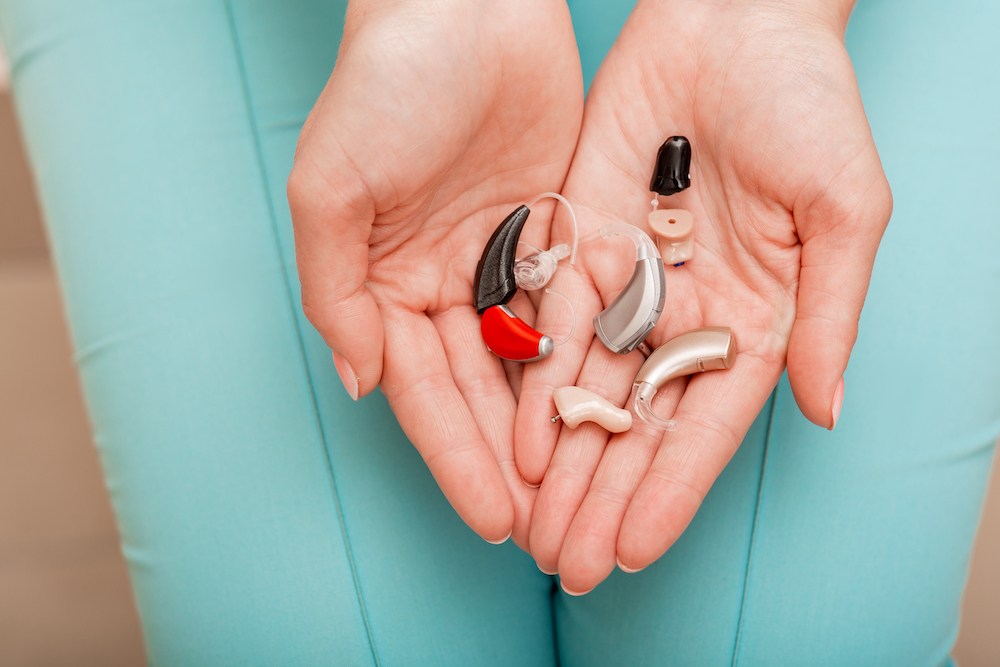
If you wear hearing aids, they’re part of what you have on throughout the day. You probably aren’t thinking about them much, and that’s how most people would prefer it.

There’s more thought going into hearing aid comfort than you might realize. Even small details, like how a device curves behind your ear or rests inside it, are getting another look.

New materials and different approaches to fitting are also part of what’s changing. Manufacturers are also looking at new materials and fitting methods, with more attention to how hearing aids feel after several hours of wear.

How Proper Fit Can Improve Your Hearing Aid Experience

Getting the fit right is part of making your hearing aids comfortable to wear throughout the day. Since your ears aren’t shaped exactly alike, each device may need a slightly different adjustment.

Your audiologist looks at details like dome size, receiver wire length and how the hearing aid rests against your ear. There’s room to personalize these things, even when you’re wearing the same model in both ears.

The way a hearing aid sits in your ear also impacts how you hear through it. Different domes and earmolds let varying amounts of sound pass naturally into your ear canal.

Your audiologist considers these differences when programming your devices and checking how they’re performing. You can also talk about how they feel after several hours of wear, since that’s part of getting a fit that works for you.

Challenges People Face with Older Hearing Aid Designs

If you’ve been wearing hearing aids for a while, you’ve probably seen quite a few changes in their design.

Older behind-the-ear models often had larger cases, with more of the device resting behind your ear. Wearing glasses alongside them could take some getting used to.

Earmolds were also commonly made from firmer materials, and some styles took up more space inside the ear. That suited some people just fine, although others preferred a lighter fit.

Another difference is how much of your ear canal the earmold covers. With some older fittings, your own voice may sound louder or have a hollow quality.

The tubing is something to keep an eye on as well. It can harden over time and may need replacing, even when the hearing aid is working well. An audiologist can examine these parts and check whether the original fit still suits your ears.

New Lightweight Materials Make Devices Easier to Wear

Manufacturers have been making changes to the materials used in models, particularly the parts that rest against your ears. Weight is one consideration, but the feel of the material matters, too.

Here are some of the options you’ll find in newer designs:

    • Lightweight plastics: Many hearing aids use thin plastic casings that don’t add much weight behind your ear.
    • Soft silicone: Flexible domes and earmolds come in different sizes and shapes, depending on how they need to sit in your ear.
    • Acrylic: Custom earmolds made from acrylic have a smooth, firm surface that’s shaped to the contours of your ear.
    • Thin receiver wires: Receiver-in-canal hearing aids use slim wires that curve around your ear and connect to a small speaker inside the canal.
    • Titanium: Some custom devices use thin titanium shells, keeping the casing small while maintaining its strength.

Flexible Shells Offer a Softer and More Comfortable Feel

The shell is shaped to fit your ear canal, much like a traditional custom model. The difference is that the material has a little give when your ear moves as you talk or chew.

Not all flexible shells feel the same. Some are quite soft, while others are firmer and bend just enough to follow small movements inside your ear.

Certain designs also have a softer coating over a firmer shell. Your audiologist can explain which materials are available for your hearing aids, since some models still require a rigid shell.

Open-Fit Styles Help Lessen Pressure Inside the Ear

Open-fit hearing aids use a small dome that rests inside your ear canal while leaving space for air to pass through. Some sounds enter your ear naturally, while the hearing aid amplifies the frequencies where you need more volume.

The open design also gives your ear an airier feel, with less material sitting inside the canal. Another feature of open-fit hearing aids is how your own voice sounds when you’re wearing them.

Since the ear canal remains partly open, your voice can sound much like you’re used to hearing it.

These fittings are commonly used when your lower-pitched hearing is better and you need more amplification for higher pitches. Your audiologist can choose from different dome styles and sizes based on your hearing levels and the fit of your devices.

Improved Venting Allows for Cooler and Drier Ears

Some hearing aids have tiny openings called vents that let air pass between your ear canal and the outside. These openings have been around for years, but newer designs offer more options for their size and shape.

A little more airflow may feel nice when you’re wearing your devices all day, particularly during warmer weather. It also gives moisture inside your ear canal more room to escape.

Your audiologist can’t choose the vent size based on comfort alone, though. The opening also determines how much sound passes naturally through your ear and how much amplified sound stays inside.

Some newer earmolds have specially shaped vent channels that account for both. The right size depends on your hearing levels and the type of hearing aid you’re wearing.

Adjustable Features Keep Hearing Aids Secure Throughout the Day

There are a few ways to adjust how your hearing aids sit, depending on the style you wear. Your audiologist can look at the fit and suggest different parts based on what feels comfortable.

Some options include:

    • Retention wires: Small, flexible pieces that tuck into the outer part of your ear to hold the hearing aid in place.
    • Dome sizes: Your audiologist can try different sizes to find one that stays in place without feeling too snug.
    • Receiver wire lengths: These come in different lengths to match the distance from behind your ear to the opening of your ear canal.
    • Custom earmolds: Made from a scan or impression of your ear, these follow its shape for a more individual fit.
    • Sports clips: Small clips or cords attach compatible hearing aids to your clothing while you’re exercising or moving around.

Moisture-Resistant Coatings Support Long-Lasting Comfort

You won’t see the coating or feel it against your skin. Unlike a separate protective cover, it doesn’t add anything to the size of the hearing aid.

Some manufacturers also apply these coatings to internal components and areas near the microphone openings. They’re useful in places like Santa Monica, where you might spend several hours outside in humid coastal air.

The coating stays on the device while you’re wearing it, without requiring any adjustments or extra accessories. It isn’t waterproofing, though, so cleaning and drying your devices are still part of caring for them.

Easy Ways to Maintain Comfort with Your Hearing Aids

Even when your hearing aids fit well, it’s good to pay attention to how you’re wearing and caring for them. Take a moment when putting them on to make sure the domes or earmolds are sitting properly.

At the end of the day, wipe away any earwax or skin oils with a soft, dry cloth. You can also check for buildup around the openings and clean those areas as your audiologist recommends.

The smaller parts of your hearing aids need attention occasionally, too. Domes can stretch or lose their shape after repeated use, and receiver wires may eventually need replacing.

If you wear glasses, make sure the frames sit comfortably alongside your devices. Your audiologist can also check the fit during regular visits, particularly if you’ve noticed that your hearing aids sit differently than they used to.

Knowing When to See an Audiologist About Fit and Comfort

If you find yourself adjusting one of your hearing aids more often than usual, mention it to your audiologist. Maybe it doesn’t stay in place quite like it used to, or you’ve noticed a tender spot after wearing it all day.

Even if you’ve had the same hearing aids for years, the fit may need another look. You don’t have to wait until your regular checkup to bring it up.

At your appointment, your audiologist can look for areas where the device might be pressing against your ear. Sometimes a different dome size is enough, while a custom earmold may need reshaping or replacing.

It’s also useful to mention how your devices feel later in the day. Something that feels fine when you first put it on might feel different after several hours.

Looking Ahead to Greater Comfort and Better Hearing Aid Fit

Everyone has their own preferences when it comes to how hearing aids feel. You might prefer a softer earmold or something that sits a little differently behind your ear.

There are more fitting options available now, and you don’t necessarily need a new pair to make changes to your current devices.

If you’d like to see what might work for you, we can go over the options together. At Kirsch Audiology in Santa Monica, we can check your current fit and talk about any adjustments you’d like to try. Call us at (310) 586-5533 to schedule a visit.