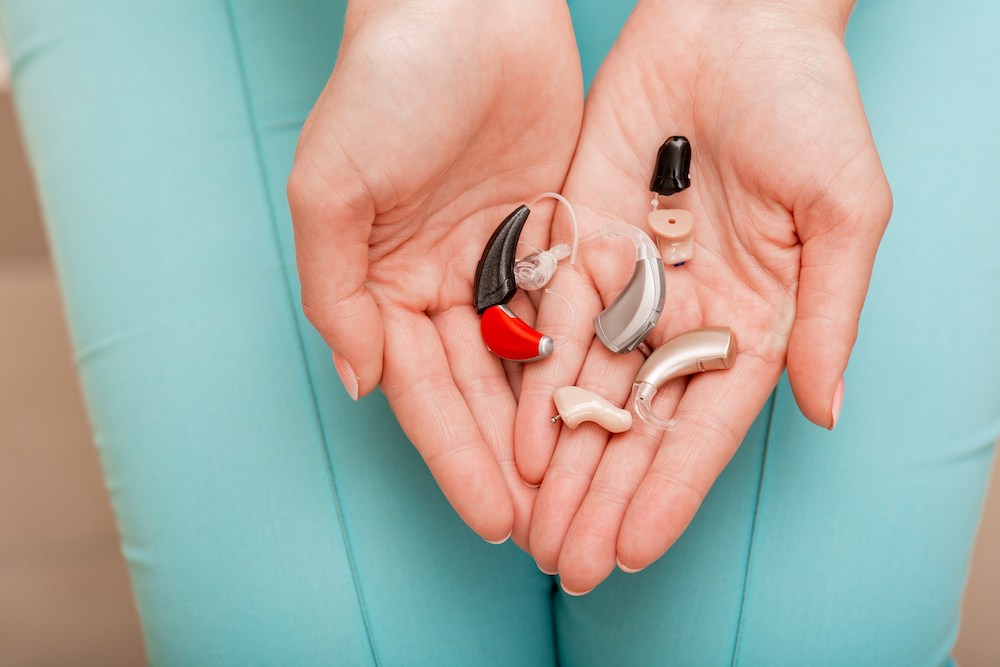
Anyone who lives in Santa Monica knows the marine layer only protects you for so long. By early afternoon, the fog burns off and the sun takes over. You start noticing anything sitting against your skin, whether that’s sunglasses on your nose or a hearing aid behind your ear.

There’s a difference between wearing something for hours without thinking about it and waiting for the moment you can finally take it off.

Hearing aid manufacturers are beginning to consider temperature when designing devices meant to be worn for several hours. Fit and size have long received plenty of attention, but the materials touching your skin can respond to warmth differently too.

New cooling materials are being developed to address how a device feels as it warms during wear. For someone who puts hearing aids on in the morning and keeps them there until evening, those hours matter.

Why Comfort Matters When Wearing Hearing Aids

Something worn against your ear shouldn’t keep pulling your attention away from everything else.

When an earpiece presses or rubs, you may start repositioning it without even thinking about why. Taking it out for a while can also become tempting, which means missing some of the amplification you rely on during conversations and other activities.

Physical ease also helps the earpiece remain where it was originally placed. Frequent adjustments can affect the seal inside the canal and alter how sound reaches you.

When everything sits properly without bothering your skin, you’re less likely to spend your time pushing, twisting or removing it.

How Does Heat and Moisture Buildup in the Ear

The ear canal naturally stays warm, and wearing an earpiece can reduce how much air moves through it. Heat from your skin stays closer to the surface, especially when the weather is warm or you’re active.

Sweat can collect around the opening of the canal or behind the ear instead of drying as quickly as it would on exposed skin.

Moisture can also build when an earmold or dome creates a snug seal. The tighter the seal, the less room there is for humid air to escape.

Over several hours, that trapped warmth can leave the skin feeling damp or irritated. Materials that hold less heat or allow better airflow may change how the area feels during longer periods of wear.

New Developments in Cooling Technology for Hearing Aids

Cooling technology doesn’t necessarily mean adding a tiny cooling system to a hearing aid. Much of the work happens in the materials that touch or sit close to your skin.

Some newer materials absorb heat as they warm, then release it when the temperature drops. Others move warmth away from one concentrated spot so the area around the earpiece doesn’t heat up as quickly.

Venting can help by giving warm, humid air somewhere to escape. These changes are especially relevant for smaller devices because there isn’t much open space between the casing and your ear.

How Cooling Materials Work to Improve Comfort

Cooling materials work by changing how heat moves between the device and your skin. Some absorb warmth when the temperature rises, which keeps that heat from staying concentrated in one spot.

As the surrounding temperature drops, the material releases the stored heat gradually instead of holding it against your ear.

Other designs spread warmth across a wider area, so one section of the casing does not feel hotter than the rest.

The material also affects how the surface feels after several hours of wear. A casing that holds less heat can feel more neutral against the skin, especially during warmer parts of the day.

Combined with good airflow, that can reduce the warm, damp feeling that sometimes develops around an earpiece. The benefit comes from managing temperature more evenly rather than trying to make the device feel cold.

Common Cooling Materials Used in Modern Hearing Aids

Cooling in modern hearing aids usually comes from the way certain materials handle warmth rather than from an active cooling system.

Depending on the design, you may see materials like:

    • Phase-change materials: These absorb some heat as they warm and release it later when the temperature drops.
    • Heat-conductive materials: Certain metals or composites move warmth away from one concentrated area instead of letting it collect near the skin.
    • Thermally conductive polymers: These plastics are made to transfer heat more effectively while remaining lightweight enough for small devices.
    • Breathable silicone: Softer silicone used around earpieces can allow more contact with the skin while handling warmth and moisture.
    • Specialized surface coatings: Thin coatings may help the outer shell release heat rather than keeping it concentrated against the ear.

Softer Surfaces for Sensitive Skin Around the Ear

That can be useful around spots where the casing tends to press after several hours. Less friction also means the material isn’t dragging against the same patch of skin every time the earpiece shifts.

Soft doesn’t automatically mean more comfortable for everyone. The material still has to hold its shape well enough to stay where it belongs.

Your audiologist can adjust the contact points when one area keeps bothering you, rather than assuming the entire earpiece needs to be replaced.

Comparing Regular and Cooling Enhanced Hearing Aid Shells

A standard hearing aid shell is mainly designed to protect the electronics and hold its shape during wear. Cooling-enhanced shells add another job by trying to move warmth away from the areas that sit closest to your skin.

That difference can come from the material itself, a surface treatment or changes in how the shell is built. The outside may feel similar at first, but temperature can become more visible after several hours.

The tradeoff is not simply regular versus better. A conventional shell may already feel comfortable if heat is not a problem for you.

A cooling-enhanced version may make more sense when warmth around the ear becomes distracting during longer wear.

Fit, skin sensitivity and the shape of the device still matter because cooling features cannot make up for pressure in the wrong spot. The shell has to work with your ear, not just manage temperature.

Finding the Best Fit with New Material Choices

Newer material options in hearing aids give your audiologist more ways to adjust how an earpiece sits against your ear.

A firmer shell may hold its shape, while a more flexible material can give slightly where the ear moves. The choice depends on where pressure develops and how securely the piece needs to stay in place.

Sometimes the best fit comes from changing only one part of the design instead of replacing the whole device. A softer canal tip, different shell material or altered contact point can change how the earpiece feels after several hours.

Your audiologist can use those small adjustments to fine-tune the fit around your ear rather than relying on one material for everyone.

Important Questions About Comfort Features to Ask Your Audiologist

Your audiologist can help you sort out which comfort features match the way your ears respond throughout the day. It helps to ask specific questions like:

    • Could a different material feel better against my skin? Ask whether softer or more flexible options are available for your style.
    • Can the warmest areas around my ear be addressed? Your audiologist can look at where heat tends to collect during wear.
    • Would more ventilation change how the earpiece feels? A different vent may allow more air to move through the canal.
    • Can one pressure point be adjusted? A small modification may be enough when most of the earpiece already feels right.
    • Are cooling materials available for my device style? Not every shell or earpiece can use the same materials.
    • How should the fit feel after several hours? Ask what is normal and what suggests an adjustment would be useful.
    • Can we make changes without replacing the whole device? Some comfort concerns can be addressed by modifying individual parts.

Easy Cleaning and Care for Advanced Material Hearing Aids

Harsh cleaners, alcohol or abrasive wipes may damage finishes that were added for comfort or heat control. If an earpiece has a flexible section, clean it gently so the material keeps its shape.

Drying matters just as much as wiping the surface. Let the pieces air dry fully before putting them back together or wearing them again.

Avoid heaters or hair dryers because high temperatures may affect softer materials and surface treatments. Your audiologist can also tell you which cleaning products are safe for the specific materials used in your model.

Finding the Right Cooling Materials for You

A hearing aid can work exactly as expected and still need attention if you keep thinking about how it feels.

Maybe you find yourself taking it out earlier than planned or adjusting it without realizing how often you do it. Those little habits can tell you something about how well the device is working for you physically.

At Kirsch Audiology in Santa Monica, CA, we can take a closer look at what’s making you reach for your devices throughout the day.

Sometimes a small adjustment is enough. Other times, a newer material or different design may be worth considering. Call us at (310) 586-5533 to make an appointment.