Most people do not start out intending to listen at higher volumes. It usually shifts over time, like turning things up on a noisy commute, raising the level during a workout without really thinking about it.
After a while, it becomes easy to spend more time at louder settings than you would probably choose if you were stopping to notice it.

What makes it hard to judge is that changes don’t show up immediately. The effects of regular high-volume listening tend to build gradually, so it isn’t always obvious in the moment how much exposure is adding up.

Small things like sounds feeling a bit less crisp than before or needing more focus to follow conversations can develop without being tied to any single listening session.

Why Are Ears Sensitive to Loud Noise

Ears are sensitive to loud noise because they are built to take very small vibrations in the air and turn them into something the brain can interpret. Inside the inner ear, there are tiny sensory cells that pick up those vibrations and send signals along the hearing pathway.

When sound is loud, those cells are pushed into stronger motion than they would normally experience in various settings.

That extra intensity is part of what makes loud environments feel difficult to the ear. Since your ear is working with a level of input it isn’t meant to handle for long periods.

Sources of Loud Sounds You Might Not Notice

Not all loud sounds come from obvious places like concerts or heavy machinery. Some environments and habits can add up in the background without you really thinking about the level of noise involved.

Sources of loud sounds you might not notice include:

    • Blenders, mixers and other kitchen appliances.
    • Traffic noise when walking or waiting near busy roads.
    • Lawn equipment like mowers and leaf blowers.
    • Public transit systems like buses or trains.
    • Headphones or earbuds set slightly higher than intended.
    • Gym environments with loud music or equipment noise.

What Are Decibels Levels?

Quiet sounds sit at the lower end of the scale, while things like traffic or power tools sit much higher up. It is a measurement used to describe sound levels in a consistent way so different environments can be compared based on how strong the sound is.

How Headphones Can Reach Levels That Harm Hearing

Headphones can seem harmless because they are small and sit right at the ear, but the sound they deliver can still reach levels that are much higher than most people realize.

The combination of close placement and long listening time is what makes volume harder to judge in use.

How headphones can reach levels that harm hearing includes:

    • Turning volume up to block out background noise in public spaces.
    • Listening for long periods without breaks.
    • Gradually increasing volume without noticing.
    • Using earbuds that sit directly in the ear canal.
    • Playing audio at high levels during workouts or travel.
    • Not realizing how loud the output is in quiet environments.

Comparing Safe Listening Times with Risky Listening Habits

In real life though, listening isn’t something that happens in neat blocks.

It is spread across different parts of the day like commuting, working or just having audio on in the background, which makes it harder to really notice how much time is being spent at each level.

Easy Ways to Check If Your Headphones Are Set to a Safe Level

Headphone volume is not always easy to judge in the moment, especially when you are moving between quiet and noisy environments throughout the day. One common reference point people use is the 60/60 guideline, which means listening at about 60% volume for no more than 60 minutes at a time.

It is not a precise measurement, but it gives a rough structure for thinking about how long and how loud listening sessions tend to run.

Some devices and phones also include built-in sound level tracking apps that show how long audio has been played at certain volumes, which can give a more detailed picture of listening habits across the day.

How Noise-Canceling Headphones Can Help Protect Your Hearing

Noise-cancelling headphones reduce the amount of outside sound that reaches your ears by picking up background noise and countering it before it gets through.

Because less environmental sound is getting in, you aren’t forced to raise the volume as much just to hear your audio clearly. In places that are busy that difference can matter, since people often turn things up to compete with constant background noise.

That lower need for higher volume is what connects them to hearing protection, since the ears aren’t being exposed to the same combined level of outside sound plus amplified audio.

Tips For Setting Healthy Volume Limits on Your Devices

Volume settings aren’t always something people think about during use, especially when listening changes between quiet and noisy environments.

Setting some basic limits on your devices can help you stay more aware of how loud things are getting over time.

Tips for setting healthy volume limits on your devices include:

    • Keeping device volume capped below maximum levels in settings.
    • Using built-in volume warnings or notifications when available.
    • Checking sound level tools or health apps on your phone.
    • Adjusting volume based on the environment instead of defaulting higher in noise.
    • Reviewing usage trends to see how often high volumes are being used.

Giving Your Ears Breaks During Long Listening Sessions Matters

Even just a few minutes of quiet after every hour of listening can help reduce the risk of hearing loss. This simple habit allows your ears to stay healthier.

Your hearing works best when it isn’t under stress from loud or continuous sounds. Regular breaks support your long-term ability to enjoy music and conversations clearly.

Talking with Friends or Family About Keeping Listening Safe

Talking about safe listening habits with friends or family can feel awkward at times. Sharing facts about how loud sounds can affect hearing is a good way to start the conversation.

You might mention tips you use, like keeping the volume lower or taking breaks.

If someone close to you often listens at high volumes, asking if they have noticed ringing in their ears can open a helpful discussion. Sharing information in a caring way helps everyone look out for each other’s hearing health.

When You Should Ask an Audiologist About Headphone Use

Headphones are often just part of a normal day, whether you’re using them on a commute, at work or to unwind at home. Because it becomes routine, it’s not always easy to notice when listening habits start to change or when volume levels slowly creep up without much thought.

The amount of use, the length of listening sessions and the environments you’re in can all play a role in how that listening adds up across the day.

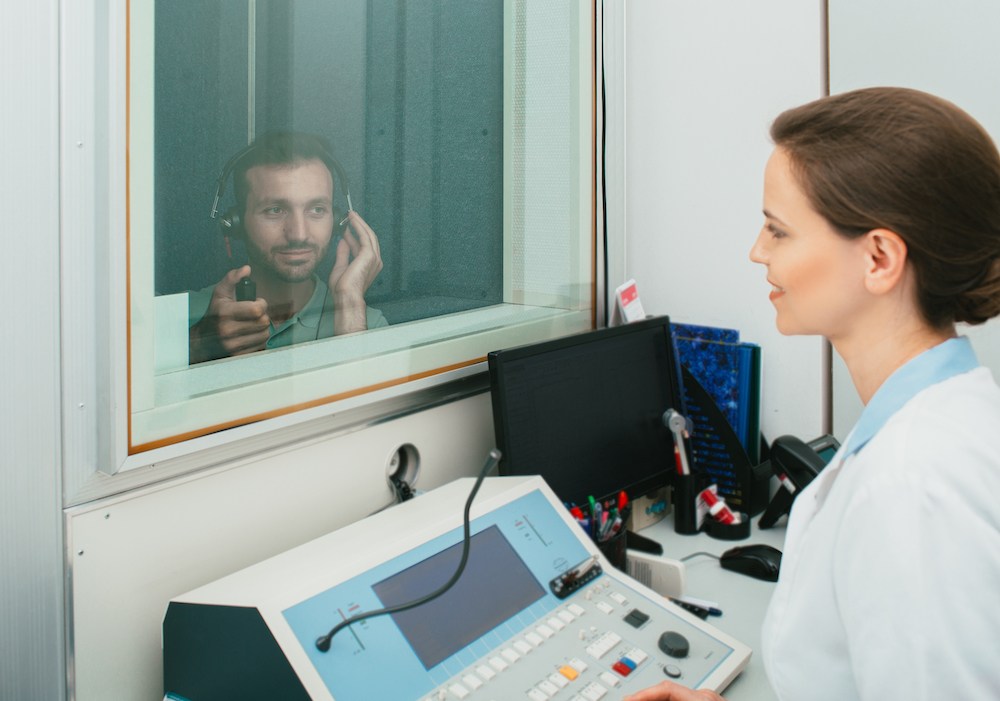
When you talk with an audiologist about headphone use, it usually starts with those patterns and how they fit into your routine. You might ask how your current listening compares with what your ears are handling across a typical week.

It can also help to ask how things like long sessions or noisy environments tend to shape the way people end up setting volume without realizing it. The focus is less on a single setting and more on how those habits build in the background.

Making Safe Listening Part of Your Routine

Building better habits around volume doesn’t have to mean giving up the way you like to listen.

Small adjustments, like setting a volume limit on your device, taking breaks during longer sessions or choosing headphones that block outside noise. You don’t need to compensate with extra volume, can make a real difference without changing much about your routine.

The goal isn’t to make listening feel like a chore. It’s just to make sure the way you do it now doesn’t impact your hearing later. If you’ve been noticing any changes in your hearing or you just want to know where things stand, Kirsch Audiology in Santa Monica, CA is a good place to start.

Our team can give you a clear picture of how your hearing is doing and talk through anything worth keeping an eye on. Give us a call at (310) 586-5533 to set up an appointment.